How to Get Rid of Chlorine in Your Water
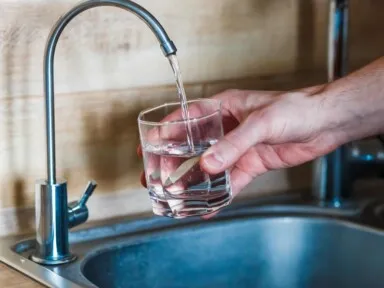
How to Get Rid of Chlorine in Your Water
Are you tired of your tap water tasting like a swimming pool? Or maybe it smells like bleach? You're not alone! Many homes in Dallas-Fort Worth deal with chlorine in their water. While chlorine helps keep our water safe, it can make it taste and smell bad. It can even affect your skin, hair, and home appliances.
Here at ClrWtrCo, we want you to love your water. We help families like yours get clean, great-tasting water right from the tap.
Ready to find out what's in your water and how we can help?
Enter your zip code to get your FREE home water system estimate today!
What is Chlorine and Why is it in Your Water?
You probably know chlorine from pools or cleaning products. But did you know it's a super important helper for our drinking water too?
The Good Side of Chlorine:
- Kills Germs: City water plants add chlorine to kill tiny, harmful germs that can make people sick. It's stopped serious diseases like cholera from spreading in the U.S.
- Protects Your Water: Water travels a long way through pipes to get to your home. Chlorine acts like a shield, keeping the water safe from new germs it might pick up along the journey. So, when you turn on your tap, your water is safe to drink.
This protective chlorine stays in your water until it's removed.
Chlorine vs. Chloramine: What's the Difference?
Sometimes, cities use something called chloramine instead of just chlorine. Chloramine is chlorine mixed with another substance, usually ammonia. It works much like chlorine but lasts longer in the pipes.
It's important to know which one your city uses because removing chlorine is different from removing chloramine! Don't worry, we can help you figure it out. Your city's yearly water quality report (it's called a Consumer Confidence Report or CCR) will tell you.
Why You Might Want to Remove Chlorine (Even if it's "Safe")
The government (EPA) sets safe levels for chlorine in your water, usually below 4 milligrams per liter (mg/L). This means it won't harm you right away. But even "safe" levels can still cause problems you'll notice every day:
1. Bad Taste and Smell
- Many people say their tap water tastes or smells like a swimming pool or bleach. This is usually due to chlorine.
2. Other Stuff Can Form
- When chlorine kills germs, it can sometimes mix with natural bits in the water. This can create new tiny things called disinfection byproducts (DBPs). Your city tries to keep these low, but they can still be in your water and might be a health concern over time.
3. Impacts Your Home
- Appliances: Chlorine can be hard on things that use water, like your dishwasher, washing machine, and water heater. It can make them wear out faster.
- Skin and Hair: Do you have dry skin or dull hair? Chlorine can strip away natural oils, leading to dryness and irritation.
How to Find Out About Your Water
Want to know how much chlorine or chloramine is in your Dallas-Fort Worth water?
- Check Your City's Water Report: Every year, your city shares a "Consumer Confidence Report" (CCR). This report tells you where your water comes from and what's in it. You can usually find it on your city's website. Look for details on "disinfectant types" (chlorine, chloramine) and other chemicals.
Knowing what's in your water is the first step to finding the best solution for your home.
Your Solutions for Cleaner, Better-Tasting Water
There are many ways to remove chlorine and chloramine from your water. ClrWtrCo offers solutions for every need and budget, so you can enjoy fresh, pure water throughout your home.
No matter what you choose, getting rid of chlorine and chloramine can make a big difference for your family's health, comfort, and how much you enjoy your water.
Ready to say goodbye to chlorine taste and smell?
Contact ClrWtrCo today! We're your local Dallas-Fort Worth experts for cleaner, better-tasting water. Let us help you find the perfect water filter system for your home.