Is Your Dallas-Fort Worth Tap Water Truly Safe to Drink?
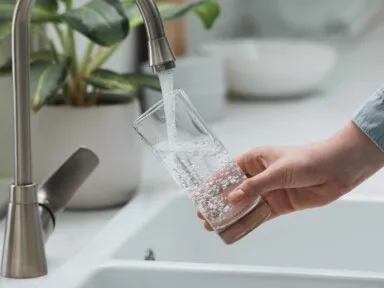
Is Your Dallas-Fort Worth Tap Water Truly Safe to Drink?
Are you thinking about the water you drink every day? You're not alone! Many people wonder if their tap water is truly safe and clean. Here at ClrWtrCo, your local Dallas-Fort Worth water experts, we understand these worries.
Enter your zip code to get your FREE home water system estimate!
Tap water is a big part of our lives, used for drinking, cooking, and cleaning. In the U.S., there are many rules to keep our water safe. But even with these rules, lots of folks in places like Dallas-Fort Worth still worry about their water's safety, taste, or how clear it looks. This tells us that many homes want to know more about what's really coming out of their faucet.
Local water systems work hard to give us clean water. But sometimes, tiny bits of unwanted stuff can get past cleaning plants or even sneak into pipes before the water reaches your house. Tap water usually comes from sources like underground water, rivers, and big storage lakes. It's easy to get and costs less, but sometimes it can pick up things like farm chemicals, factory waste, or even "forever chemicals" (PFAS).
So, many homeowners ask: "Is my tap water really safe for me and my family to drink?" This guide will explain where tap water comes from, how it's made clean, what tiny bits might still be in it, and how ClrWtrCo can help you get cleaner, safer water for your home.
What Exactly is Tap Water?
Tap water is simply the water that flows from your faucet. You use it for almost everything – drinking, making food, washing dishes, and more.
In the United States, tap water usually comes from two main places:
1. Public Water Systems: These are big systems run by cities or towns. They treat and test the water often to make sure it meets safety rules set by the Environmental Protection Agency (EPA).
2. Private Wells: Some homes, often in country areas, get their water from their own well. This water doesn't go through a city cleaning system, so the homeowner is in charge of checking if it's safe.
Where Does Your Drinking Water Start Its Journey?
Most tap water comes from:
- Surface Water: This is water from lakes, rivers, and big reservoirs.
- Groundwater: This is water found deep underground in places called aquifers. Wells draw water from these aquifers.
Most people (about 9 out of 10) in America get their water from city systems. This water travels through a big network of pipes and pumps to reach many homes.
Homes with private wells pull water straight from underground using a pump on their property. This gives them their own water supply, separate from city services.
How Public Water is Made Safe (and What Happens Next)
City water is cleaned and checked under rules called the Safe Drinking Water Act (SDWA) by the EPA. These rules limit over 90 different kinds of unwanted stuff that can be in water.
Here's how it generally works:
- Cleaning: Water is filtered (strained) and disinfected (cleaned) with things like chlorine. This helps get rid of bad germs, chemicals, and other tiny bits.
- Delivery: After cleaning, the water travels through a system of pipes and storage tanks to get to homes and businesses, ready to drink.
Checking the Water: City water systems must test the water often for germs, heavy metals (like lead and copper), and different chemicals. They even put out yearly reports called Consumer Confidence Reports (CCRs) that tell you all about your local water quality. Your state and local leaders also often add even more checks and rules.
What About Private Well Water?
If you have a private well, you're responsible for your own water safety. Since wells don't follow federal rules, you need to test your water.
The Centers for Disease Control (CDC) suggests checking well water at least once a year for germs and nitrates (a type of chemical). You might need to check it more often if:
- You live near farms or factories.
- The taste or smell of your water changes.
- Your water looks different (cloudy or discolored).
Common Problems in Well Water:
Well water can sometimes have:
- Nitrates and Germs: These can come from farm runoff or septic systems.
- Heavy Metals: Metals can leach from the ground.
- Hard Water Minerals: Water flowing through rock and soil picks up minerals like calcium and magnesium. This makes water "hard." Hard water can cause:
- Spots on dishes.
- Buildup in pipes and appliances (like your water heater).
- Dry skin or dull hair.
Why You Might Still Worry About Your Water
Even with all the testing and rules, things can still go wrong. Pipes can get old and release lead or copper. New chemicals, like PFAS (often called "forever chemicals" because they stay in the environment for a long time), are showing up in water sources. Farm chemicals and waste from factories can also get into our water supply.
These things can affect the safety, taste, and smell of your water. It's why so many families in the Dallas-Fort Worth area and across the country still feel unsure about their tap water.
Get Cleaner, Safer Water with ClrWtrCo
You deserve to feel good about the water you drink every day. If you're concerned about your Dallas-Fort Worth tap water, ClrWtrCo is here to help.
We offer easy, effective home water filtration systems that can give you:
- Safer Drinking Water: Help remove unwanted chemicals, germs, and other tiny bits.
- Better Taste and Smell: Say goodbye to chlorine tastes and odd smells.
- Cleaner Dishes and Appliances: Reduce hard water problems.
Don't guess about your water's quality. Let the experts at ClrWtrCo help you find the best water solution for your Dallas-Fort Worth home.
Ready for cleaner water? Enter your zip code now to get your FREE home water system estimate from ClrWtrCo!